

Luxor: Karnak Temple Skip-the-Line Entry Tickets
Luxor: Karnak Temple Skip-the-Line Entry Tickets
Booked 70+ times
Regular price
$ 17
Regular price
Sale price
$ 17
Unit price
per
Couldn't load pickup availability
Book early!
On average, this is booked 13
days in advance
-
 Skip-the-Line Entry Tickets1 Day Single Entry Ticket. Specific to date selected during purchase.
 -
 Opening hoursOpen daily from 6:00 am to 5:00 pm. Last ticket admission at 4:00 PM.
 -
 Instant ConfirmationMobile E-ticket with QR code to scan at the gates
 -
 Non refundable ticketsPlease ensure you select the correct dates of visiting before confirming your purchase as tickets are non-refundable.
 -
 Valid ID required at the gatesVisitors must show a valid ID. Any kind of fraud will be subjected to 5 times the ticket price.


Experience Details
Inclusions
Frequently Asked Questions
What to expect
-
 1 Day Single Entry Ticket
 -
Skip-the-line entry ticket
-
Mobile E-ticket with QR code to scan at the gates
-
Discounted student and children's tickets
-
 Tickets are Non-refundable
 -
Transportation
-
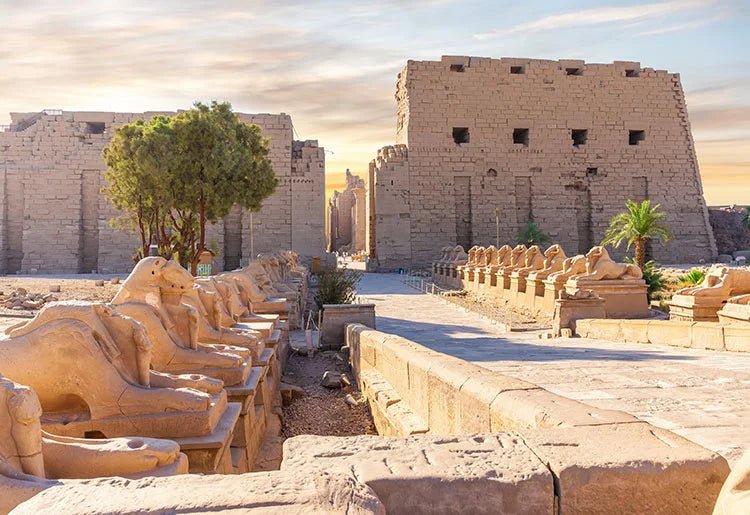
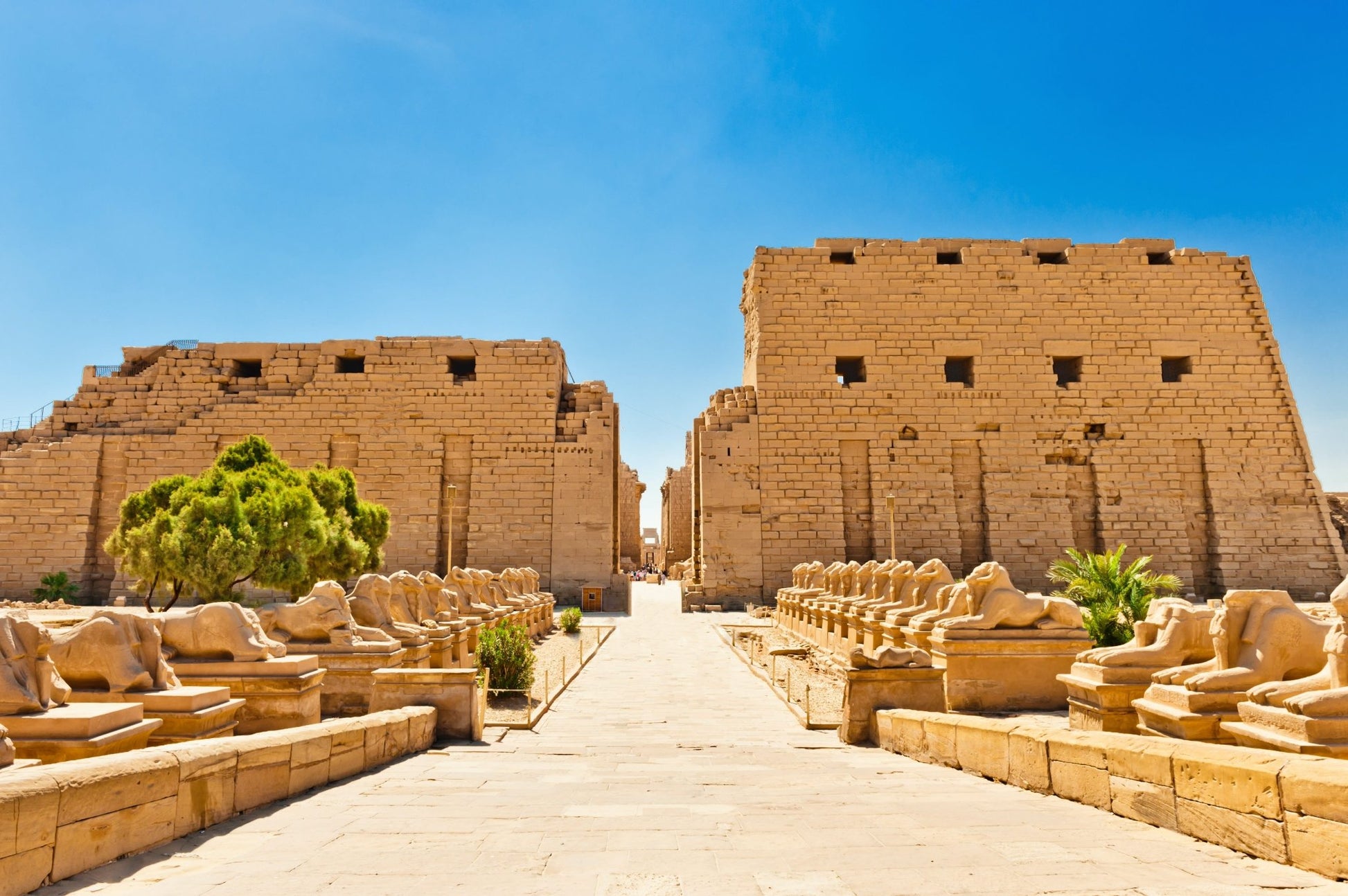
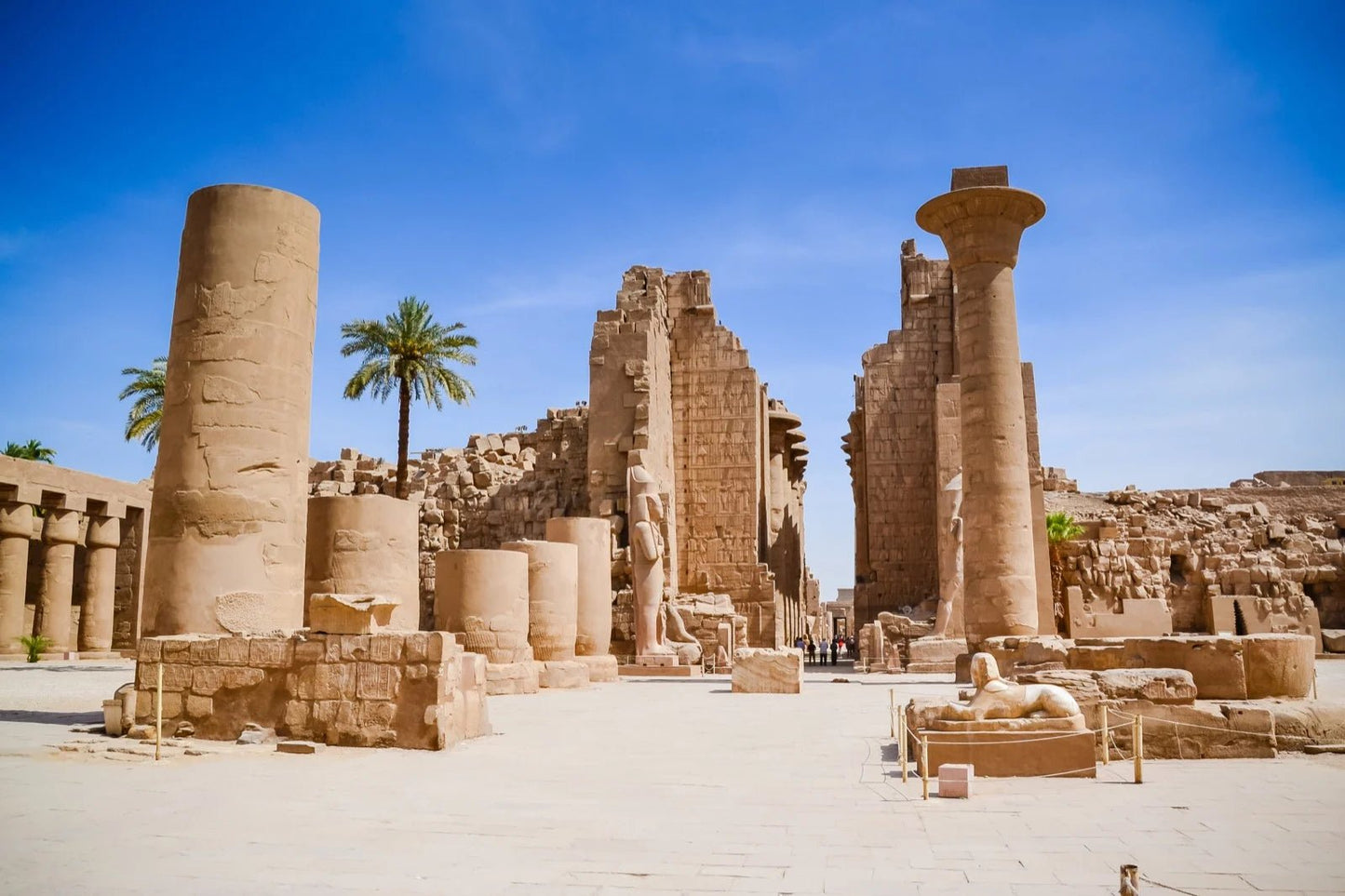
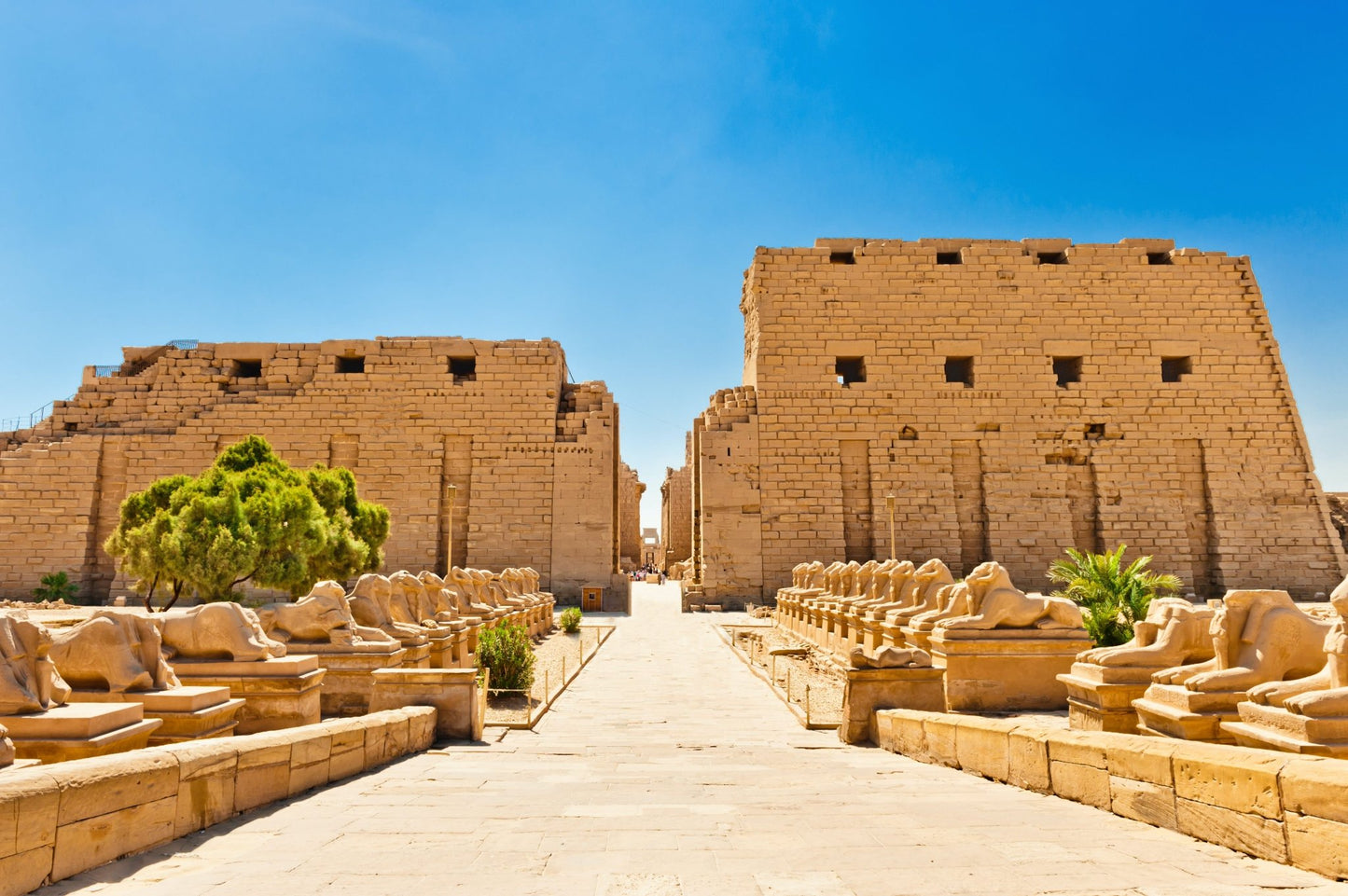
Visitor Center and Avenue of Sphinxes EntranceEnter through the visitor center and walk toward the processional way lined with ram-headed sphinxes. This path leads directly to the first pylon and gives a good orientation of the site layout.


-
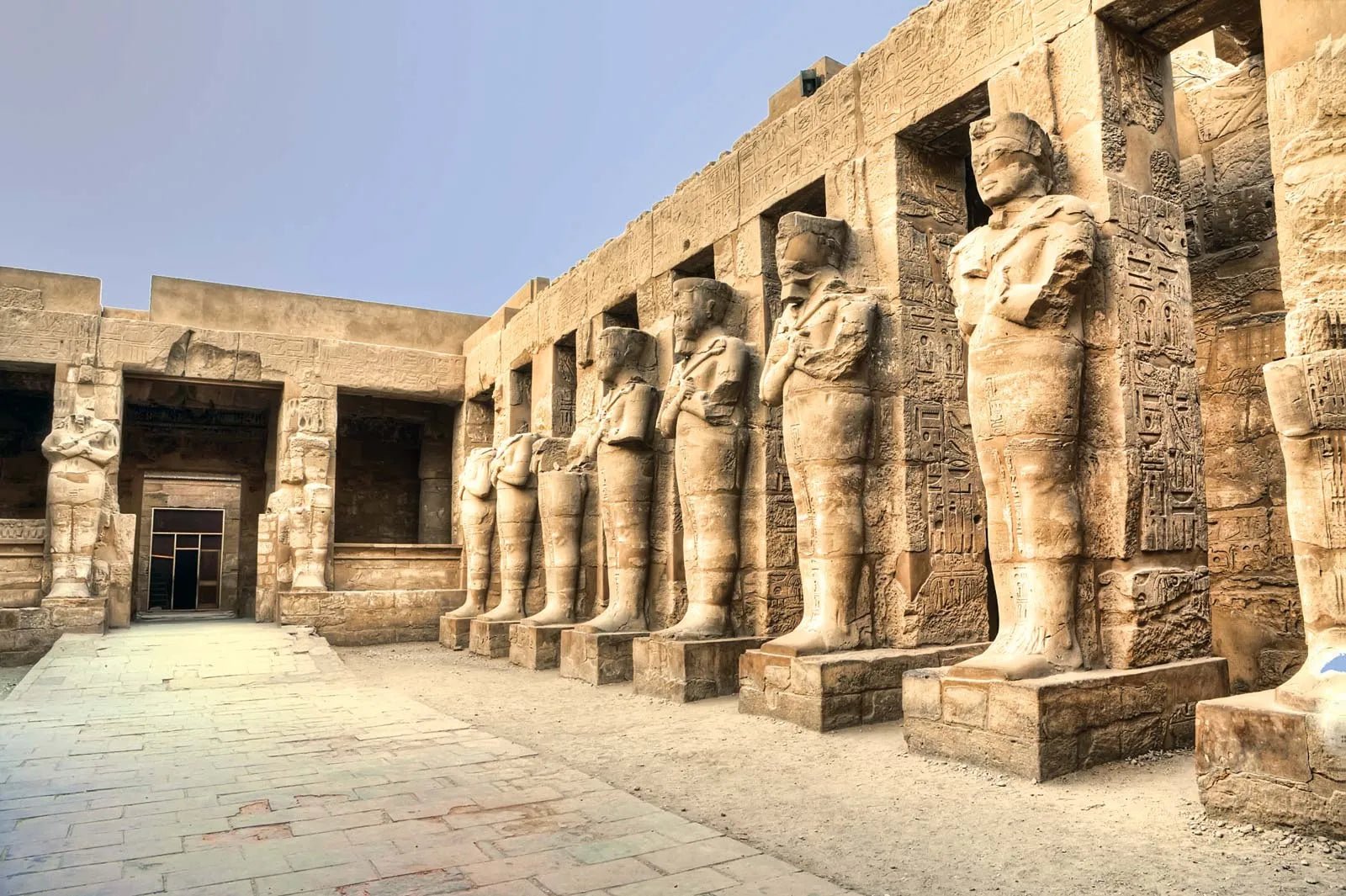
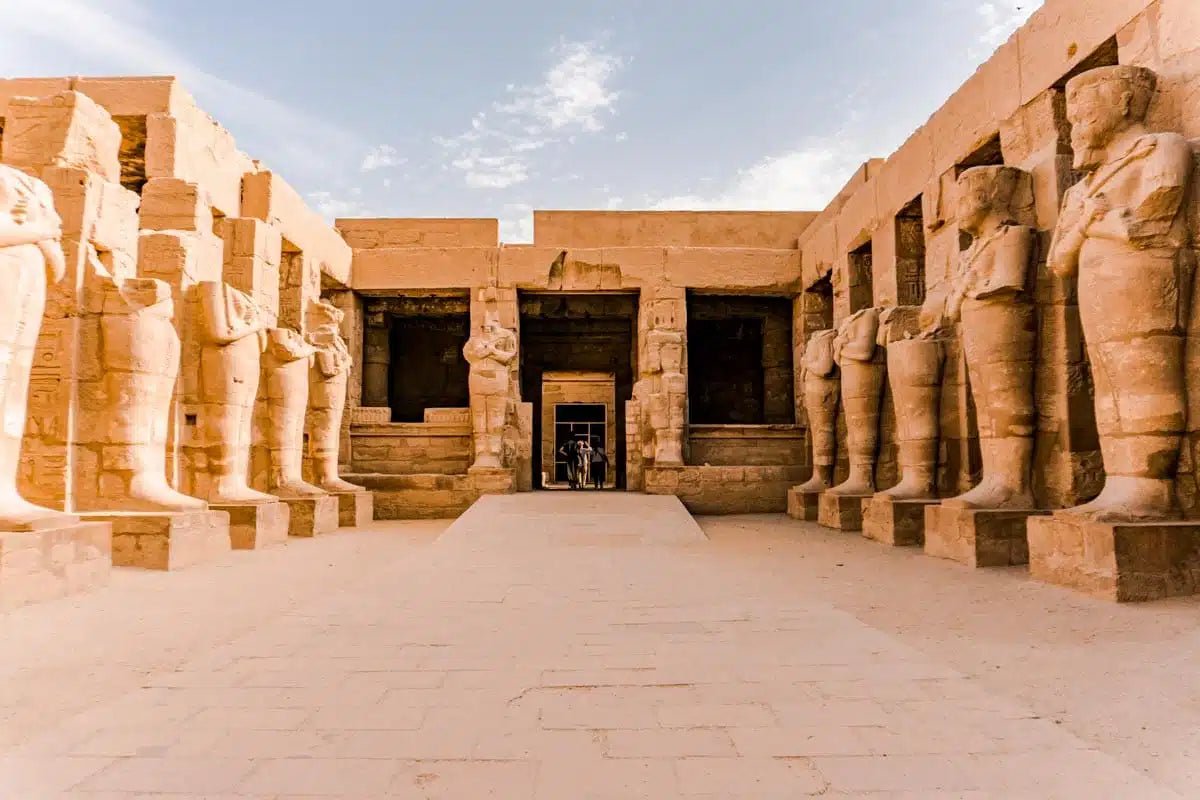
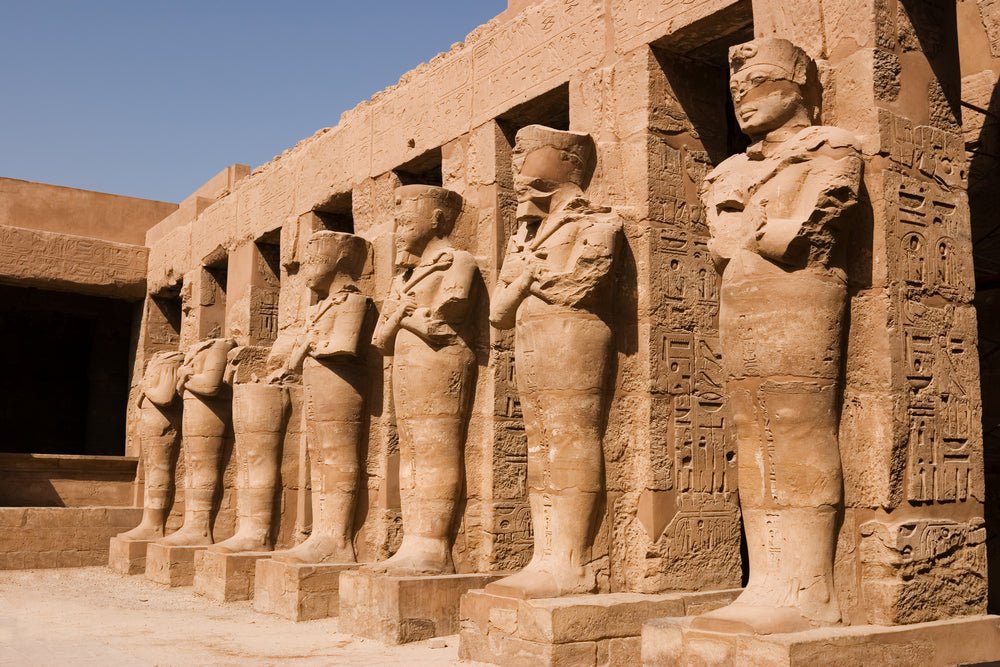
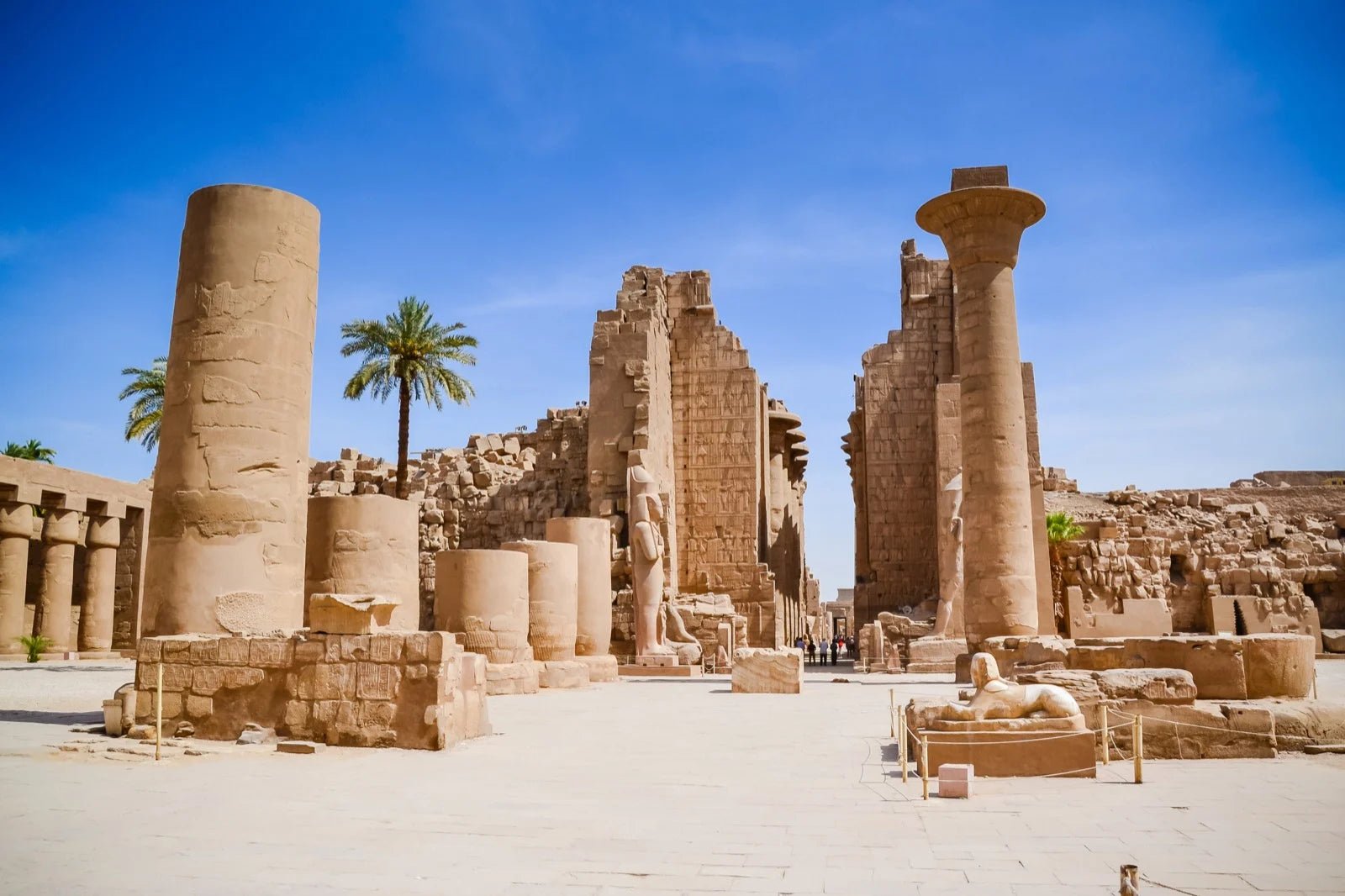
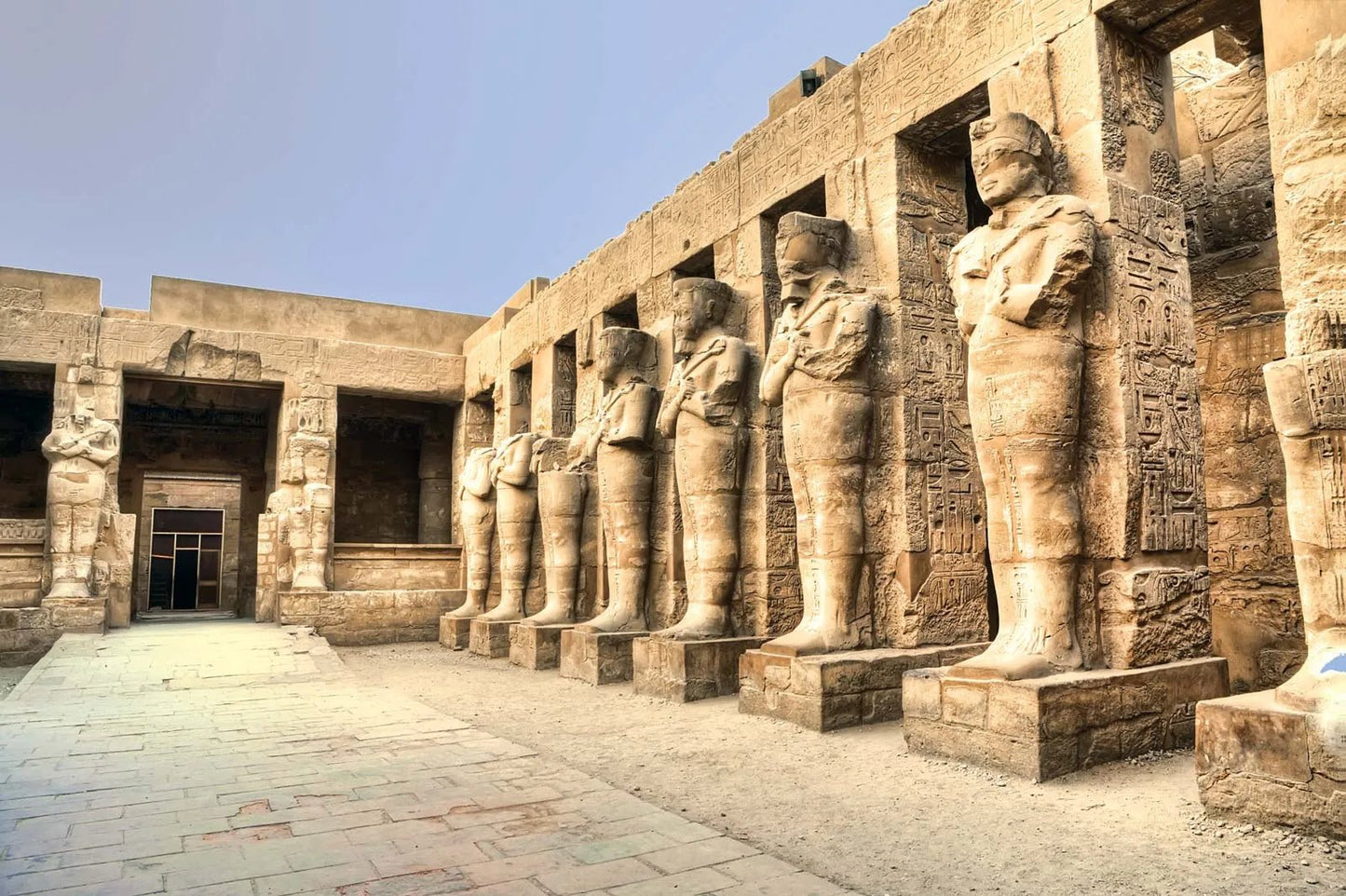
First Pylon and Great CourtPass through the massive first pylon into the Great Court. Here you’ll see the remains of colossal statues, shrines, and the open space that functioned as the temple’s main forecourt.


-
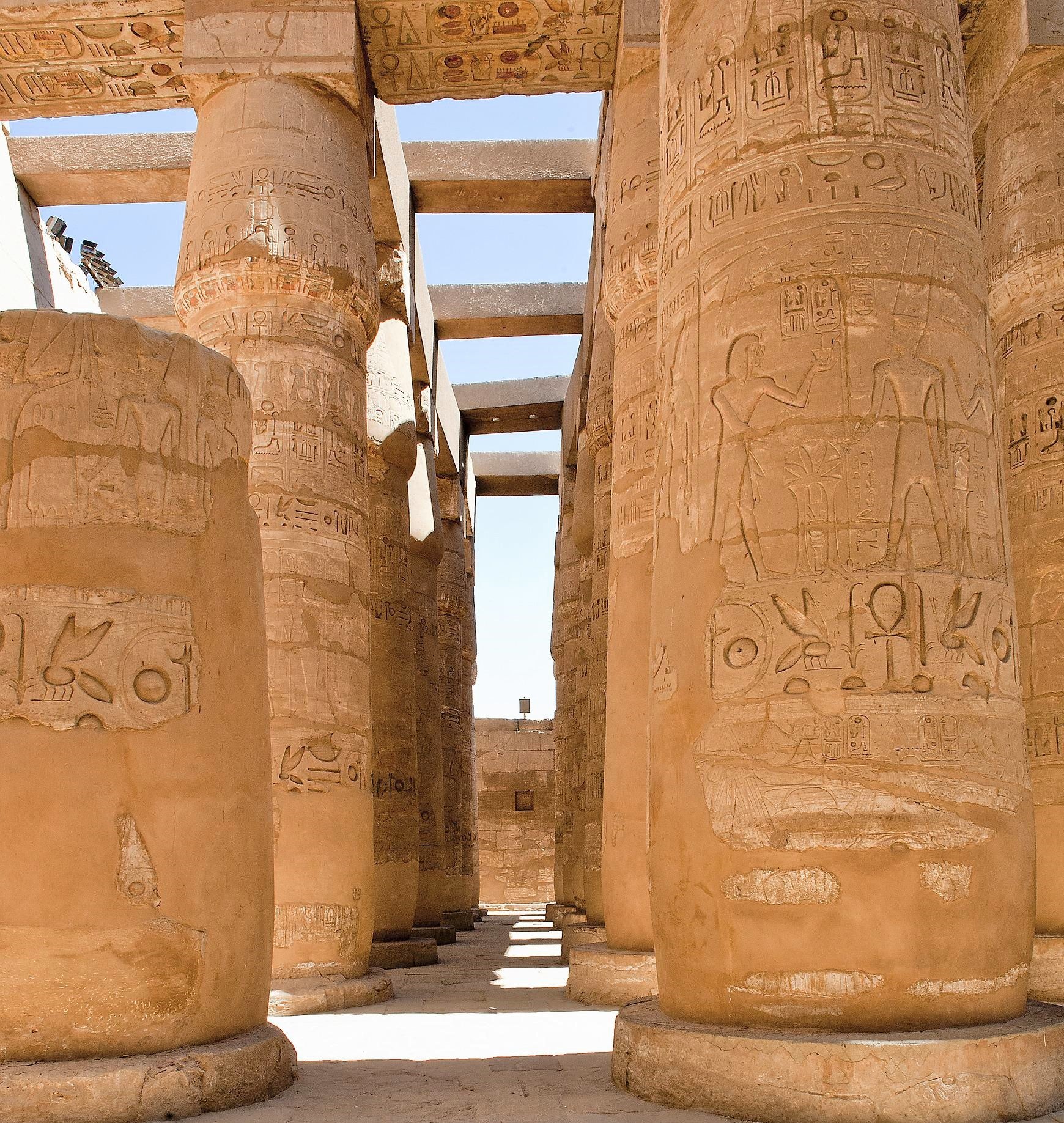
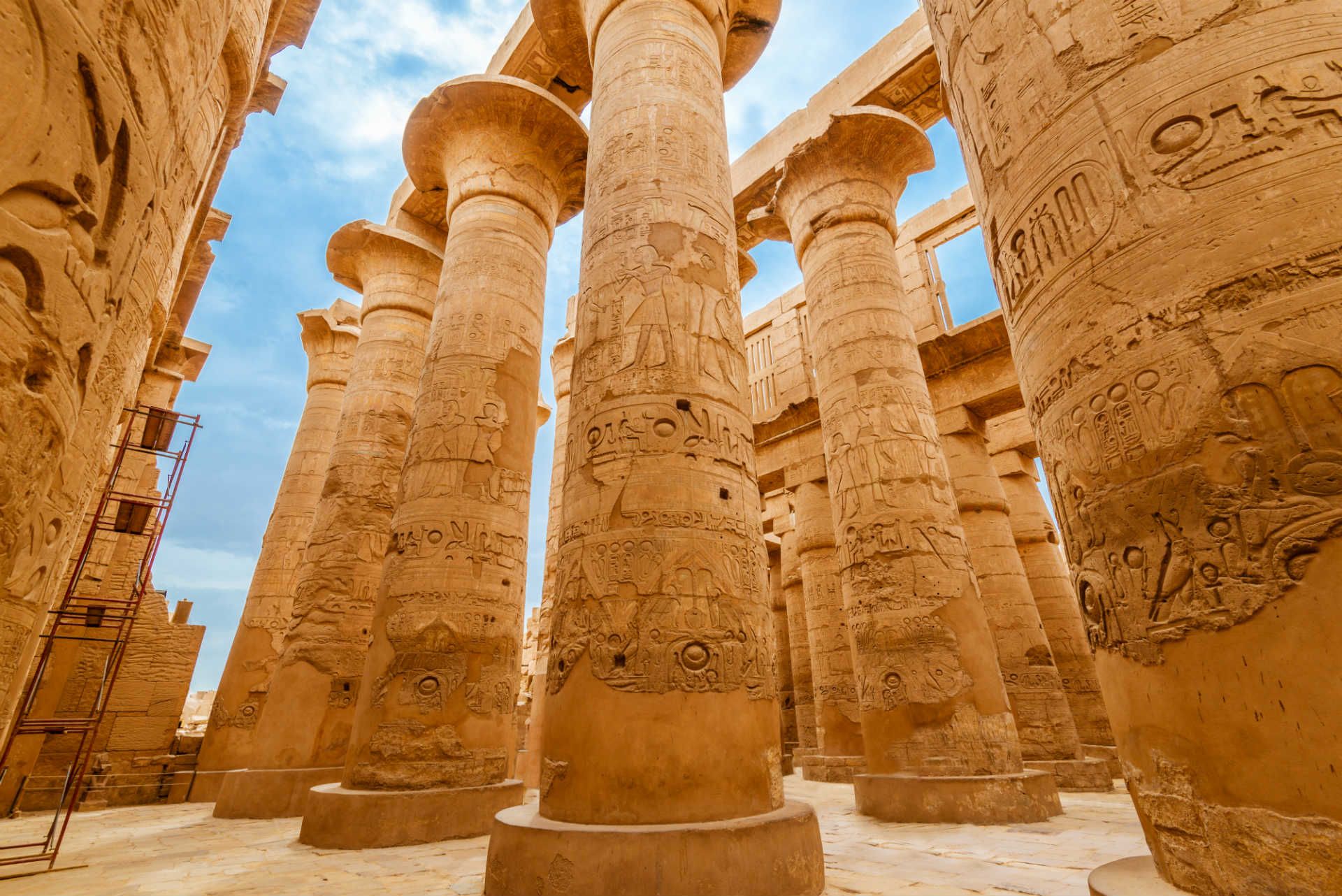
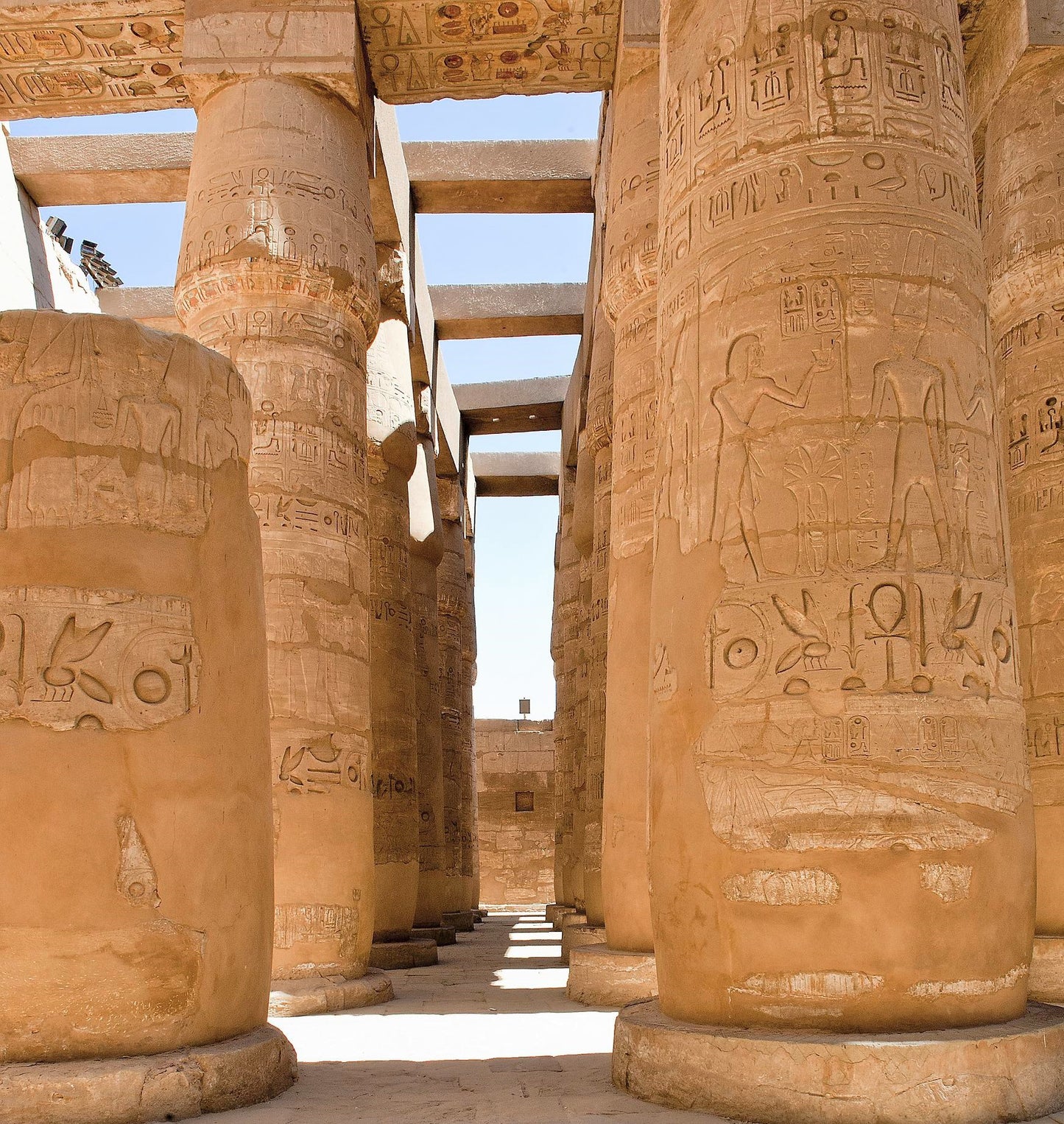
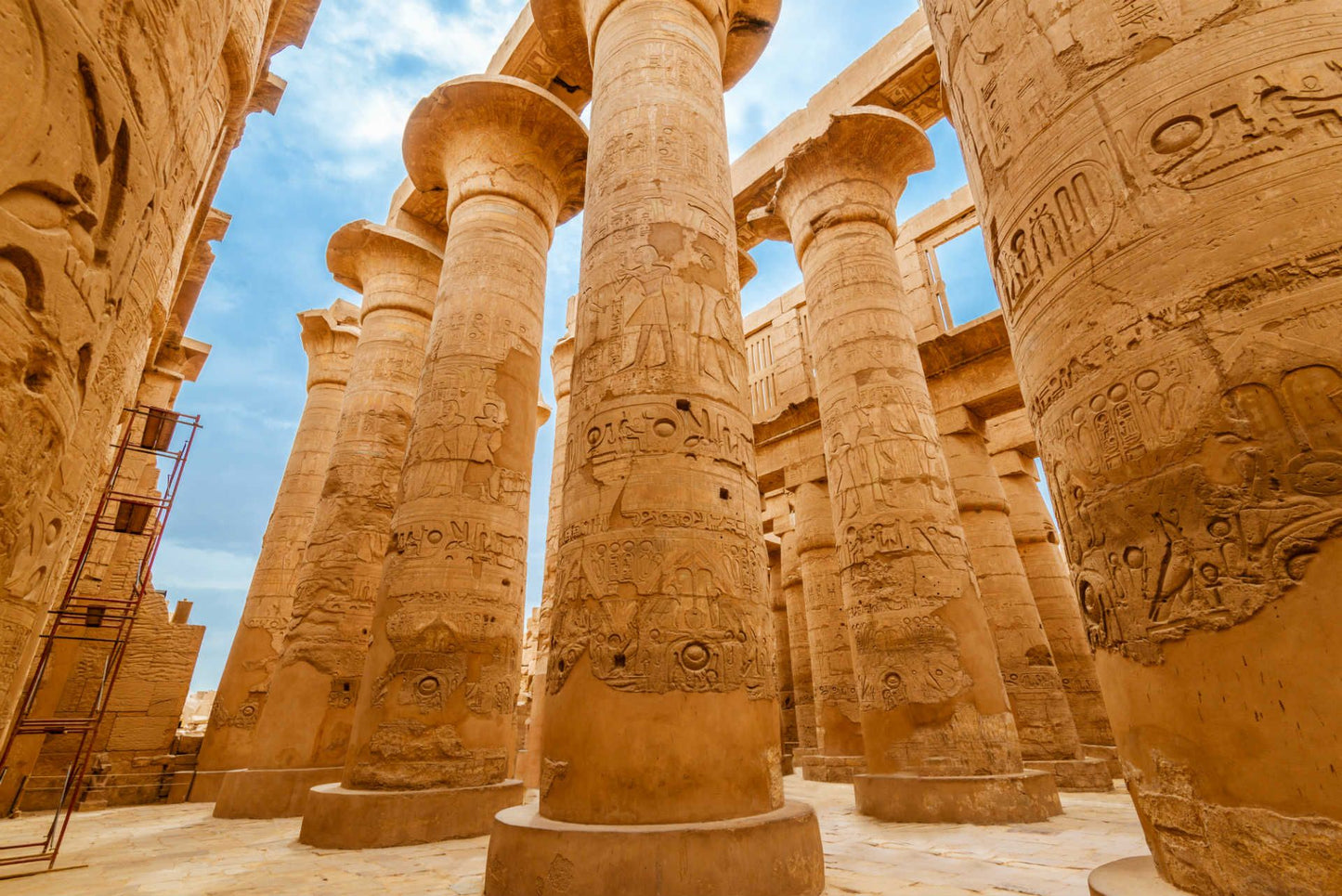
Great Hypostyle HallWalk into the Hypostyle Hall, one of Karnak’s most impressive areas. Explore the forest of columns, examine the carved scenes and inscriptions, and follow the central axis toward the next pylon.


-
Explore Obelisks Hatshepsut and Tuthmosis IContinue through the central area to view the standing obelisks and the foundations of the main sanctuaries. These structures represent some of the most important religious spaces in ancient Thebes.30 minutes


-
Sacred LakeWalk to the Sacred Lake, once used for ritual purification. The open area around the lake offers a clear view of the temple’s outer structures.


-
Mut Temple PrecinctThe Mut Temple, located south of the main Karnak complex, is one of the oldest and most significant precincts at Karnak. The area contains the main Mut Temple, associated smaller shrines, and traces of sacred lakes. When open, visitors can walk through the ruins of the courtyards and view the remaining statues and architectural blocks.


-
Visitor Center and Avenue of Sphinxes EntranceEnter through the visitor center and walk toward the processional way lined with ram-headed sphinxes. This path leads directly to the first pylon and gives a good orientation of the site layout.
-
First Pylon and Great CourtPass through the massive first pylon into the Great Court. Here you’ll see the remains of colossal statues, shrines, and the open space that functioned as the temple’s main forecourt.
-
Great Hypostyle HallWalk into the Hypostyle Hall, one of Karnak’s most impressive areas. Explore the forest of columns, examine the carved scenes and inscriptions, and follow the central axis toward the next pylon.
-
Explore Obelisks Hatshepsut and Tuthmosis IContinue through the central area to view the standing obelisks and the foundations of the main sanctuaries. These structures represent some of the most important religious spaces in ancient Thebes.30 minutes
-
Sacred LakeWalk to the Sacred Lake, once used for ritual purification. The open area around the lake offers a clear view of the temple’s outer structures.
-
Mut Temple PrecinctThe Mut Temple, located south of the main Karnak complex, is one of the oldest and most significant precincts at Karnak. The area contains the main Mut Temple, associated smaller shrines, and traces of sacred lakes. When open, visitors can walk through the ruins of the courtyards and view the remaining statues and architectural blocks.